Are you about to get started with your business blogging strategy? Want to know the kind of posts you should create for well-balanced blog?
Blogging has evolved significantly since its inception. From being simple online diaries to becoming powerful tools for information sharing, self-expression, and even business promotion, blogs have come a long way. If you’re thinking about starting your own blog, you’re in for an exciting journey.
But before you begin, it’s essential to understand the different types of blog posts you can create. This knowledge will help you plan your content strategy and keep your audience engaged. In this blog post, we’ll explore various types of blog posts and provide insights into when and how to use them effectively.
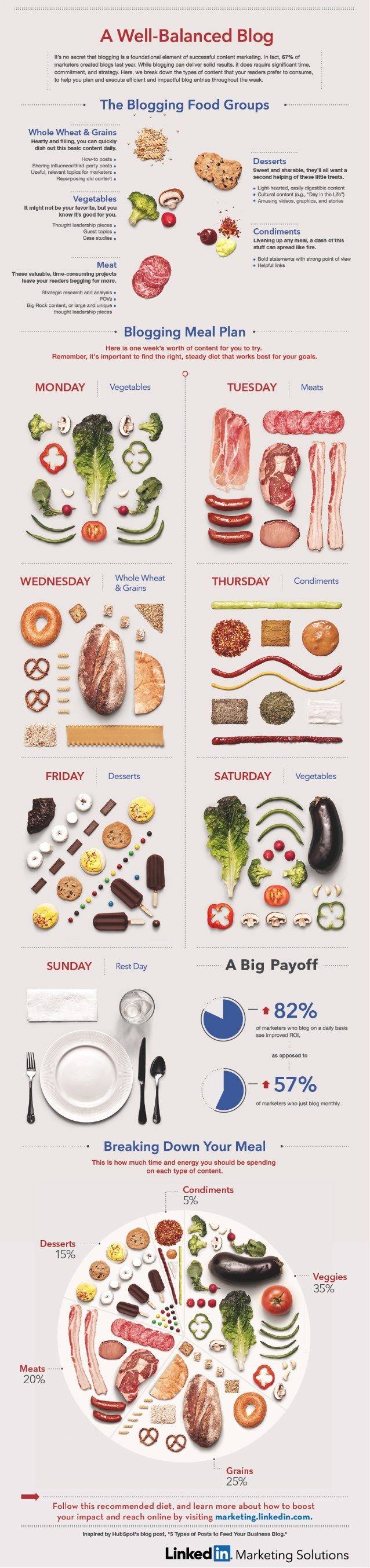
LinkedIn share their blogging tips for success in this infographic.
1. The Informative Blog Post
Informative blog posts are the backbone of blogging. They are designed to provide valuable information, insights, and answers to the reader’s questions. These posts typically include how-to guides, tutorials, reviews, and in-depth analysis of specific topics.
When to Use:
- Use informative blog posts when you want to educate your audience about a particular subject.
- These are great for building trust and authority in your niche.
How to Create:
- Research your topic thoroughly and gather reliable sources.
- Organize your information logically, using headings, subheadings, and bullet points for clarity.
- Use visuals like images, infographics, or videos to enhance understanding.
2. The Listicle
Listicles are blog posts presented in a list format, offering a set of items, tips, or recommendations. They are popular because they are easy to read and digest. Examples include “Top 10 Travel Destinations for 2023” or “5 Ways to Improve Your Productivity.”
When to Use:
- Listicles are great for summarizing information concisely.
- They attract readers who prefer skimming content.
How to Create:
- Decide on the number of items in your list (e.g., 5, 10, 15).
- Write a brief introduction and a conclusion.
- Use engaging headings and subheadings for each item.
3. The Personal Story
Personal stories are blog posts that share your personal experiences, anecdotes, and insights. These posts create a connection between you and your readers, making your blog more relatable and authentic.
When to Use:
- Use personal stories to connect with your audience on a human level.
- Share your successes, failures, and lessons learned.
How to Create:
- Be honest and authentic in your storytelling.
- Include relevant details and emotions to make your story more engaging.
- Reflect on the lessons or takeaways from your experience.
4. The How-to Guide
How-to guides are detailed, step-by-step instructions on accomplishing a specific task or solving a particular problem. They are highly practical and serve as valuable resources for readers seeking guidance.
When to Use:
- Create how-to guides when you want to assist your audience in achieving a specific goal.
- These posts can establish you as an expert in your field.
How to Create:
- Break down the process into clear, actionable steps.
- Use images, screenshots, or videos to illustrate the steps.
- Test your instructions to ensure accuracy.
5. The Opinion Piece
Opinion pieces, also known as editorial blog posts, allow you to express your thoughts, ideas, and viewpoints on a particular topic. These posts can spark discussions and debates among your readers.
When to Use:
- Share your opinions on current events, industry trends, or controversial topics.
- Encourage engagement and discussion among your readers.
How to Create:
- Clearly state your viewpoint and provide supporting arguments.
- Acknowledge opposing viewpoints and respectfully address them.
- Encourage readers to share their opinions in the comments.
6. The Case Study
Case studies are in-depth examinations of a real-life situation, project, or experience. They demonstrate the application of a particular strategy, solution, or approach and provide evidence of its effectiveness.
When to Use:
- Use case studies to showcase your expertise and problem-solving abilities.
- They are especially valuable in industries like marketing, consulting, and education.
How to Create:
- Present the problem or challenge.
- Describe your approach or solution in detail.
- Provide measurable results and key takeaways.
7. The Interview
Interview blog posts involve interviewing experts, influencers, or individuals with unique experiences in your niche. These posts offer valuable insights and diverse perspectives to your audience.
When to Use:
- Conduct interviews to leverage the expertise and authority of others.
- Introduce your readers to influential figures in your industry.
How to Create:
- Prepare thoughtful questions in advance.
- Record or transcribe the interview accurately.
- Include a brief introduction and conclusion to provide context.
8. The Product Review
Product review blog posts evaluate and critique specific products, services, or tools. They help readers make informed decisions and can also be monetized through affiliate marketing.
When to Use:
- Write product reviews when you have firsthand experience with a product.
- Be transparent about any potential conflicts of interest.
How to Create:
- Provide detailed information about the product’s features and functionality.
- Include your honest opinion, highlighting both pros and cons.
- Use high-quality images or videos to showcase the product.
9. The Inspirational Post
Inspirational blog posts aim to motivate, uplift, and inspire readers. These posts often feature success stories, quotes, and practical advice for achieving personal or professional growth.
When to Use:
- Share stories of resilience, determination, and success.
- Help your readers overcome challenges and stay motivated.
How to Create:
- Choose relatable and inspiring stories or examples.
- Offer actionable advice and tips for personal development.
- Use motivational quotes and visuals to enhance the post’s impact.
10. The Guest Post
Guest posts are written by other bloggers or experts in your field and published on your blog. They bring fresh perspectives and new voices to your platform while also expanding your reach.
When to Use:
- Accept guest posts to diversify your content and introduce new ideas.
- Collaborate with influencers or experts to boost your blog’s credibility.
How to Create:
- Set clear guidelines for guest contributors.
- Review and edit guest posts to ensure quality and relevance.
- Promote the guest author and their content on your blog.
11. The Roundup Post
Roundup blog posts compile a list of top resources, articles, or experts related to a specific topic or theme. They save readers time by providing a curated list of valuable information.
When to Use:
- Create roundup posts when you want to showcase the best content in your niche.
- Offer a comprehensive resource for your readers.
How to Create:
- Identify the best resources or experts in your niche.
- Provide a brief description and link to each resource.
- Organize the roundup logically, such as by category or relevance.
12. The Behind-the-Scenes Post
Behind-the-scenes blog posts give readers a glimpse into your life, work process, or the inner workings of your blog. They humanize your brand and foster a sense of connection.
When to Use:
- Share the story of your blogging journey.
- Offer insights into your creative process or daily routine.
How to Create:
- Include personal anecdotes and reflections.
- Use images or videos to visually depict behind-the-scenes moments.
- Show your authenticity and personality.
13. The Educational Series
Educational series are a collection of blog posts centered around a specific topic or theme. They allow you to dive deep into a subject and provide comprehensive coverage.
When to Use:
- Use educational series to explore complex or multifaceted topics.
- Keep readers engaged over an extended period.
How to Create:
- Plan the series structure in advance.
- Promote each post in the series to keep readers coming back for more.
- Provide a clear roadmap or table of contents for easy navigation.
14. The News Update
News update blog posts keep your audience informed about recent developments, trends, or events in your niche. They demonstrate your commitment to staying current and relevant.
When to Use:
- Share breaking news or industry updates.
- Offer analysis and insights into the news.
How to Create:
- Source information from reliable news outlets or industry reports.
- Provide context and explain the implications of the news.
- Encourage discussion and feedback from your readers.
15. The Resource Roundup
Resource roundup blog posts curate a list of tools, templates, or resources that can be beneficial to your audience. They save readers time and effort by providing valuable recommendations.
When to Use:
- Create resource roundups to assist your audience in finding useful tools or templates.
- Collaborate with other bloggers or experts to gather recommendations.
How to Create:
- Categorize the resources for easy reference.
- Include a brief description and link to each resource.
- Keep the list up-to-date by revisiting and revising it periodically.
Conclusion
Starting a blog is an exciting endeavor, and understanding the different types of blog posts at your disposal is crucial for creating engaging and valuable content. Whether you’re aiming to educate, inspire, or entertain your audience, choosing the right type of blog post can make all the difference. Remember to experiment, listen to your readers’ feedback, and evolve your content strategy over time. By doing so, you’ll not only attract and retain readers but also establish your blog as a valuable resource in your chosen niche. So, go ahead and start blogging, and watch your platform grow and thrive!

Author:
Mark Ford