Search Engine Optimization (SEO) is the backbone of any successful online presence. When done correctly, it can boost your website’s visibility, drive organic traffic, and ultimately help you achieve your online goals.
However, SEO is a delicate art that requires finesse and adherence to best practices. Ignoring these practices can lead to disastrous consequences for your website’s search rankings and overall online reputation.
In this blog post, we will explore 15 common mistakes that can sabotage your SEO efforts and even annoy Google. By understanding these pitfalls and how to avoid them, you can ensure that your website ranks well in search results, attracts more organic traffic, and maintains a positive relationship with search engines.
- Ignoring Mobile Optimization
Google prioritizes mobile-friendly websites. With the increasing use of smartphones and tablets for browsing, ensuring that your website is responsive and mobile-friendly is crucial. If your site is not optimized for mobile devices, Google will penalize it in search rankings. To avoid this mistake, invest in responsive design and regularly test your website’s mobile performance.
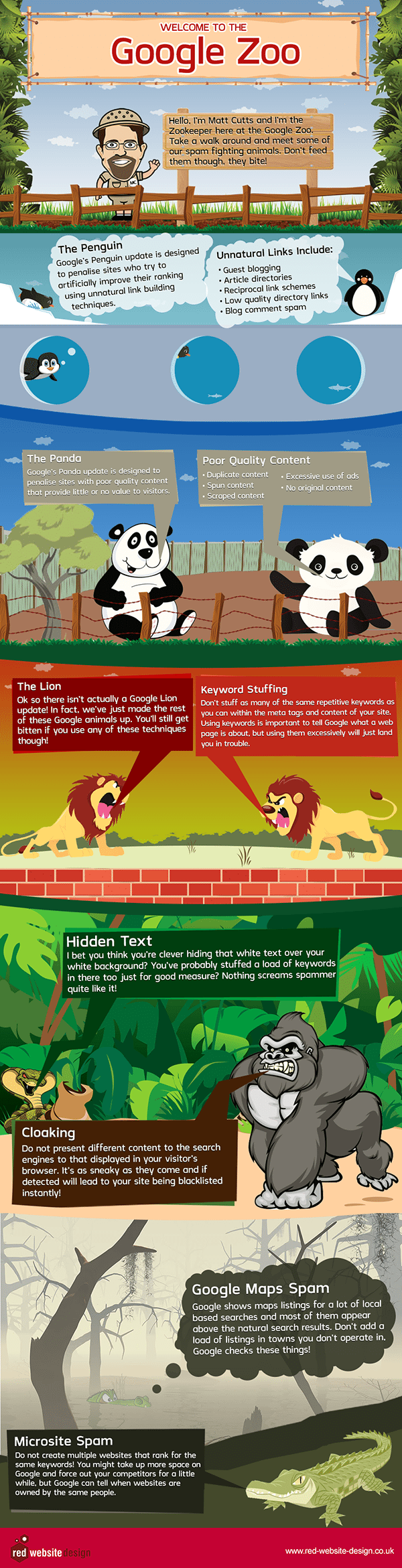
- Keyword Stuffing
Keyword stuffing is an outdated and frowned-upon SEO technique. It involves cramming as many keywords as possible into your content, making it unnatural and unreadable. Google’s algorithms have evolved to detect keyword stuffing, and it can result in penalties. Instead, focus on creating high-quality, informative content that naturally includes relevant keywords.
- Neglecting Content Quality
Content is king in the world of SEO. Publishing low-quality, thin, or duplicate content not only fails to engage your audience but also damages your SEO efforts. Google aims to provide the best possible search results to users, so prioritize creating valuable, informative, and well-researched content that addresses your audience’s needs.
- Ignoring On-Page SEO
On-page SEO elements, such as meta titles, meta descriptions, and header tags, play a crucial role in telling search engines what your content is about. Neglecting these elements can lead to missed opportunities for better rankings. Make sure to optimize these on-page factors for every piece of content you publish.
- Overlooking Page Speed
Slow-loading websites frustrate users and can result in higher bounce rates. Google considers page speed as a ranking factor, so optimizing your site’s loading times is essential. Compress images, leverage browser caching, and choose a reliable hosting provider to improve your website’s performance.
- Neglecting Mobile Page Speed
While page speed is crucial overall, mobile page speed is equally important. Many users access websites on mobile devices with slower connections. Google’s mobile-first indexing means that mobile page speed directly impacts your SEO rankings. Ensure that your website loads quickly on smartphones and other mobile devices.
- Neglecting Technical SEO
Technical SEO involves optimizing the backend of your website to improve its search engine performance. Neglecting technical SEO issues like broken links, crawl errors, and XML sitemaps can hinder your site’s visibility in search results. Regularly audit and fix these technical issues to maintain a healthy website.
- Not Using SSL Encryption
Security is a top priority for Google. Websites without SSL certificates are marked as “Not Secure” in web browsers, which can deter users and harm your SEO rankings. Secure your website with an SSL certificate to build trust with visitors and search engines.
- Neglecting Image Optimization
Images are a valuable asset for engaging content, but they can also slow down your website if not optimized. Neglecting image optimization by using large, unoptimized images can result in poor user experience and lower SEO rankings. Compress images, add alt text, and use responsive images to enhance performance.
- Forgetting About User Experience
User experience (UX) plays a significant role in SEO. Websites that are difficult to navigate, have intrusive ads, or lack clear calls to action can frustrate users and lead to higher bounce rates. Google takes user engagement into account, so prioritize a seamless and user-friendly experience on your site.
- Neglecting Local SEO
If your business serves a specific geographic area, neglecting local SEO can be a costly mistake. Claim and optimize your Google My Business listing, encourage customer reviews, and ensure that your business information is consistent across online directories. Local SEO can help you attract nearby customers.
- Neglecting Mobile-Friendly Content
In addition to having a mobile-friendly website, it’s essential to create content that caters to mobile users. Long paragraphs and tiny fonts can make your content less accessible on small screens. Break content into smaller sections, use legible fonts, and make sure your website’s design is mobile-responsive.
- Duplicate Content
Duplicate content, whether within your own website or copied from other sources, can lead to SEO issues. Google may have difficulty determining which version of the content to rank, and this can result in lower rankings for all involved pages. Use canonical tags and create original content to avoid this pitfall.
- Neglecting Social Signals
Social signals, such as likes, shares, and comments on social media platforms, can indirectly impact your SEO rankings. A strong social media presence can drive traffic to your website and improve its visibility. Engage with your audience on social media and encourage them to share your content.
- Ignoring Analytics and Data
Finally, one of the most significant mistakes is not paying attention to your website’s analytics and data. Without tracking your SEO efforts and performance, you won’t know what’s working and what needs improvement. Regularly monitor your website’s traffic, user behavior, and conversion rates to make informed SEO decisions.
Conclusion
Avoiding these 15 common SEO mistakes is crucial for maintaining a positive relationship with Google and improving your website’s search rankings. SEO is an ongoing process that requires diligence and adaptability as search engine algorithms evolve. By focusing on mobile optimization, content quality, technical SEO, and user experience, you can build a strong foundation for your website’s success in the competitive online landscape. Remember that SEO is not about gaming the system but about providing value to your audience and earning your place in search engine results.

Author:
Mark Ford