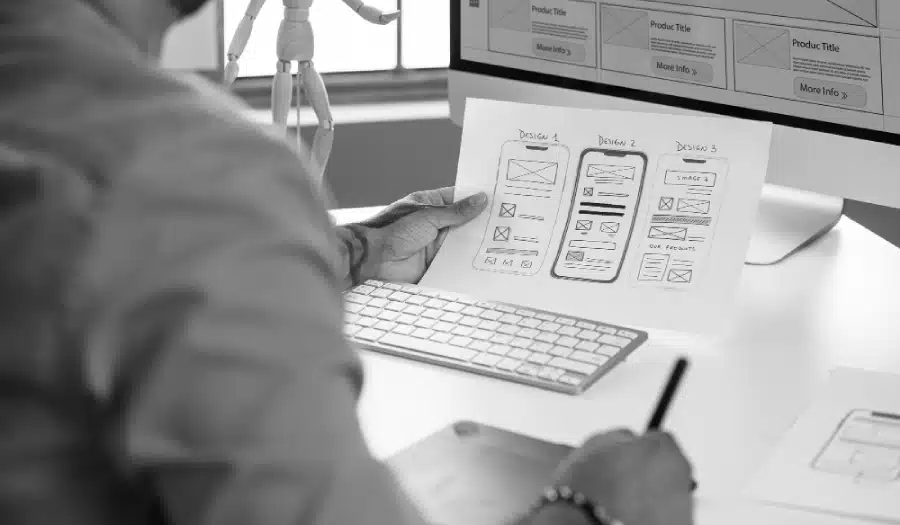
So you’re considering a new website for your business, but do you risk creating one yourself, or pay a professional to create one for you?
In today’s digital age, having a website is essential for individuals and businesses alike. Whether you’re an entrepreneur, a small business owner, or someone looking to create a personal blog, the decision of whether to build your website yourself or hire a professional designer is a crucial one. To make an informed choice, you need to consider various factors, including your budget, technical skills, and the goals you want to achieve with your website.
In this blog post, we’ll explore 10 key statistics that shed light on the DIY website versus professional designer dilemma. By the end, you’ll have a better understanding of the pros and cons of each approach, helping you make the right decision for your specific needs.
Go Globe share 10 key stats highlighting the importance of professional design in this infographic.

Stat 1: 94% of First Impressions are Design-Related
According to a study by the Missouri University of Science and Technology, it takes users less than two-tenths of a second to form a first impression of a website. A whopping 94% of these first impressions are design-related. This statistic highlights the critical role design plays in attracting and retaining visitors to your website.
Stat 2: 75% of Users Judge a Company’s Credibility Based on Website Design
Your website is often the first point of contact between your business and potential customers. A survey by Stanford University found that 75% of users judge a company’s credibility based on its website design. A well-designed website can instill trust and confidence in your brand, while a poorly designed one can have the opposite effect.
Stat 3: 38% of Visitors Will Stop Engaging with a Website if the Layout is Unattractive
The layout and visual appeal of your website are crucial for keeping visitors engaged. Research by Adobe shows that 38% of people will stop engaging with a website if the layout is unattractive. This highlights the importance of aesthetics in web design.
Stat 4: 47% of Users Expect a Website to Load in Two Seconds or Less
Website performance is another critical factor in user satisfaction. Almost half of all users expect a website to load in two seconds or less, according to a study by Akamai. Slow-loading websites can lead to high bounce rates and lost opportunities.
Stat 5: 88% of Online Shoppers are Less Likely to Return to a Site After a Bad Experience
For e-commerce websites, user experience is paramount. Baymard Institute’s research shows that a staggering 88% of online shoppers are less likely to return to a site after a bad experience. Poor navigation, confusing layouts, and subpar design all contribute to a bad user experience.
Stat 6: 70-80% of Users Ignore Paid Ads and Focus on Organic Results
When it comes to online visibility, search engine optimization (SEO) is crucial. According to Search Engine Journal, 70-80% of users ignore paid ads and focus on organic search results. A professionally designed website can incorporate SEO best practices to improve your rankings in organic search results.
Stat 7: 40% of Users Abandon a Website if It’s Not Mobile-Friendly
Mobile internet usage has surged in recent years, and a mobile-responsive design is no longer optional. Google’s research reveals that 40% of users will abandon a website if it’s not mobile-friendly. DIY website builders may have limitations in optimizing for mobile devices compared to professional designers.
Stat 8: 44% of Website Visitors Will Leave if There’s No Contact Information
For businesses, providing clear contact information is vital. A study by KoMarketing found that 44% of website visitors will leave if there’s no contact information or phone number visible. Professional designers can ensure that your contact details are prominently displayed.
Stat 9: 75% of Website Credibility Comes from Design
While content is essential, design still carries significant weight. In a study by Web credibility research at Stanford, 75% of users judged a website’s credibility based on its overall design, including the use of images and color. This emphasizes the importance of a polished and professional appearance.
Stat 10: 38% of People Will Stop Engaging with a Website if the Content/Layout is Unattractive
Aesthetic appeal extends beyond just the layout—it includes content as well. If your website’s content is unattractive or poorly presented, 38% of visitors may stop engaging, according to Adobe’s research. This highlights the need for a harmonious blend of design and content.
Pros and Cons of DIY Website vs. Professional Designer
Now that we’ve explored these key statistics, let’s weigh the pros and cons of creating a website yourself versus hiring a professional designer:
DIY Website:
Pros:
- Cost-Effective: DIY website builders are often more budget-friendly, with lower upfront costs.
- Control: You have full control over the design and content.
- Learning Opportunity: Building your website can be a valuable learning experience.
- Quick Start: DIY platforms offer templates that can help you get started quickly.
Cons:
- Limited Expertise: Unless you’re a web design expert, your website may lack the polish and professionalism of a professionally designed site.
- Time-Consuming: Building a website from scratch or using a DIY platform can be time-consuming.
- SEO Challenges: SEO optimization may be more challenging for beginners.
- Limited Features: DIY platforms may have limitations in terms of customization and functionality.
Professional Designer:
Pros:
- Expertise: Designers have the skills and experience to create a visually appealing and functional website.
- Customization: A professional designer can tailor your site to your specific needs and branding.
- Time-Saving: You can focus on your core business while the designer takes care of your website.
- SEO Optimization: Designers often have SEO expertise to boost your online visibility.
Cons:
- Cost: Hiring a professional designer can be more expensive upfront.
- Communication: Effective communication with the designer is essential to ensure your vision is realized.
- Dependency: You may need to rely on the designer for updates and changes.
Conclusion
In the age of the internet, your website is your digital storefront. It’s often the first interaction potential customers have with your brand, and it can significantly impact your credibility, user engagement, and business success. The decision of whether to build a DIY website or hire a professional designer ultimately depends on your specific goals, budget, and technical abilities.
While a DIY website can be a cost-effective option and provide a valuable learning experience, it may lack the design finesse and SEO optimization that a professional designer can offer. On the other hand, professional designers bring expertise, customization, and time-saving benefits, but they come with a higher initial cost.
Consider the 10 key statistics we’ve discussed, your unique circumstances, and your long-term objectives when making your decision. Whether you choose the DIY route or hire a professional, remember that the quality of your website can significantly impact your online presence and reputation.

Author:
Mark Ford