Are you looking for ways to improve your email marketing strategy? Need to make modifications in light of GDPR?
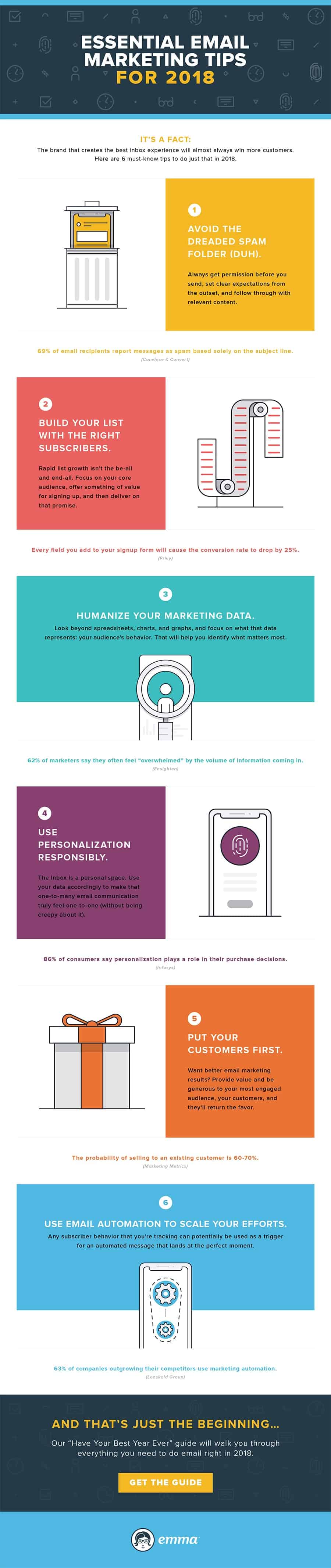
MyEmma share their essential email marketing tips in this infographic.
Here’s a quick summary:
- Avoid the dreaded spam folder by gaining consent
- Build your list with the right subscribers
- Humanise your marketing data
- Use personalisation responsibly
- Put your customers first
- Use email automation to scale your efforts
Check out the infographic for more detail.
In today’s digital world, email marketing remains a powerful tool for businesses to connect with their audience, foster relationships, and drive sales. However, the introduction of the General Data Protection Regulation (GDPR) has significantly changed the landscape, emphasizing the importance of data privacy and consent. Navigating these regulations while maintaining effective email marketing strategies can be challenging. Here are six essential tips to help you succeed in a GDPR-compliant world.
Avoid the Dreaded Spam Folder by Gaining Consent
In the realm of email marketing, one of the most critical challenges is ensuring that your emails reach your subscribers’ inboxes rather than getting lost in the spam folder. For small businesses, this challenge is compounded by the need to adhere to GDPR regulations, which emphasize obtaining explicit consent from recipients. Here, we delve deeper into actionable strategies and in-depth tips to help small businesses gain consent effectively and keep their emails out of the spam folder.
Understand the Importance of Consent
Consent isn’t just a regulatory requirement under GDPR; it’s also a foundation for building a trusting and engaged subscriber base. Without explicit consent, your emails are more likely to be marked as spam, which can harm your sender reputation and overall email deliverability. Here’s how you can secure consent properly:
Implement Explicit Opt-In Mechanisms
- Clear and Unambiguous Consent Forms: Your sign-up forms should explicitly ask for consent to send marketing emails. Use straightforward language and avoid pre-checked boxes. The process should be transparent, ensuring subscribers know they are opting in to receive marketing communications.
- Separate Consent for Different Communications: If you send different types of emails (e.g., newsletters, promotional offers, event updates), obtain separate consent for each type. This granularity ensures subscribers are fully aware of what they are signing up for.
- Use Positive Language: Phrasing matters. Use positive, inviting language on your sign-up forms. For instance, “Join our community for exclusive updates and offers” is more engaging than “Sign up for our emails.”
Embrace Double Opt-In
The double opt-in process involves two steps:
- Initial Sign-Up: Subscribers fill out a form to sign up for your emails.
- Confirmation Email: They receive an email asking them to confirm their subscription by clicking a link.
Double opt-in not only verifies that the email address is valid and that the subscriber genuinely wants to receive your emails but also provides a second layer of consent, which is beneficial for GDPR compliance.
Provide Clear Value Proposition
- Communicate Benefits: Clearly state what subscribers will gain from joining your email list. Whether it’s exclusive discounts, early access to new products, or valuable industry insights, make sure the benefits are evident.
- Showcase Social Proof: Highlight testimonials or the number of current subscribers to build credibility. For example, “Join 10,000+ happy subscribers for weekly tips and exclusive offers.”
- Use Eye-Catching Calls-to-Action (CTAs): Your sign-up CTAs should stand out and be compelling. Use actionable phrases like “Get Started,” “Join Now,” or “Subscribe for Free.”
Optimize Your Sign-Up Process
- Simplify the Form: Keep your sign-up forms short and straightforward. Ask only for essential information, such as name and email address. Too many fields can deter potential subscribers.
- Mobile-Friendly Forms: Ensure your sign-up forms are optimized for mobile devices. Many users will interact with your website or landing pages from their phones, and a mobile-friendly form enhances the user experience and increases sign-up rates.
- Strategic Placement: Place your sign-up forms in strategic locations on your website, such as the header, footer, blog posts, and pop-ups. Pop-ups, in particular, can be effective, but use them sparingly and ensure they don’t hinder the user experience.
Transparency and Trust
- Privacy Policy Link: Include a link to your privacy policy near your sign-up form. This builds trust by showing that you are committed to protecting subscribers’ data.
- Email Content Preview: Offer a preview of the type of content subscribers can expect. For example, provide a sample newsletter or a few lines about the kind of valuable information they will receive.
- Easy Unsubscribe Options: Make it easy for subscribers to opt-out if they choose to. A simple and accessible unsubscribe link not only complies with GDPR but also maintains trust and reduces the likelihood of your emails being marked as spam.
Post-Sign-Up Best Practices
- Welcome Email: Send a welcome email immediately after someone subscribes. This email should thank them for joining, reiterate the benefits of being on your list, and set expectations for future communications.
- Regular Communication: Stay consistent with your email frequency. If you promised weekly updates, ensure you deliver on that promise. Inconsistent sending patterns can confuse subscribers and lead to higher spam complaints.
- Engagement Monitoring: Regularly monitor engagement metrics like open rates, click-through rates, and unsubscribe rates. High engagement indicates that your subscribers value your emails, which improves deliverability. Conversely, low engagement can signal issues that need addressing.
Avoid Spam Triggers
- Avoid Spammy Language: Phrases like “Free money,” “Act now,” and excessive use of exclamation marks can trigger spam filters. Use professional and clear language that conveys your message without resorting to hyperbole.
- Balance Text and Images: Emails with an appropriate balance of text and images are less likely to be flagged as spam. Avoid image-only emails, as they can trigger spam filters.
- Monitor Sender Reputation: Your domain’s sender reputation significantly impacts deliverability. Use authenticated domains (DKIM, SPF, DMARC) to verify your email’s legitimacy and monitor your sender score using tools like SenderScore or Google Postmaster Tools.
Seek Feedback and Iterate
- Subscriber Feedback: Periodically ask for feedback from your subscribers about the content and frequency of your emails. This not only helps you improve but also makes subscribers feel valued.
- A/B Testing: Regularly perform A/B tests on different elements of your emails, such as subject lines, content, and CTAs. This helps you identify what resonates most with your audience and refine your approach.
- Continuous Improvement: Use insights from your feedback and testing to continuously improve your email marketing strategy. Stay updated with the latest best practices and adjust your tactics as needed to maintain high deliverability and engagement rates.
By following these in-depth tips, small businesses can effectively gain consent, build trust with their audience, and significantly reduce the chances of their emails ending up in the dreaded spam folder. Adhering to these best practices not only ensures compliance with GDPR but also enhances the overall effectiveness of your email marketing campaigns.
Build Your List with the Right Subscribers
Building an email list with the right subscribers is crucial for small businesses aiming to maximize the effectiveness of their email marketing campaigns. A highly engaged list not only improves your marketing ROI but also ensures compliance with GDPR regulations. Here are detailed tips and guidance on how small businesses can attract the right subscribers and maintain a high-quality email list.
Targeted Sign-Up Forms
- Strategic Placement: Place sign-up forms in areas where your target audience is most likely to engage, such as your homepage, blog, and high-traffic landing pages. Pop-up forms can be effective, but use them judiciously to avoid disrupting the user experience.
- Contextual Relevance: Ensure your sign-up forms are contextually relevant to the content surrounding them. For instance, a sign-up form offering a free eBook on digital marketing should be placed on blog posts related to digital marketing strategies.
- Custom Fields: Customize your sign-up forms to gather information that will help you segment your audience later. For example, ask for the subscriber’s industry, interests, or specific needs. However, keep it simple to avoid overwhelming potential subscribers.
- Minimalistic Design: A cluttered sign-up form can deter sign-ups. Use a clean, minimalistic design with clear fields and a compelling call-to-action (CTA). Highlight the benefits of subscribing to encourage more sign-ups.
Lead Magnets
- Valuable Content: Offer lead magnets that provide genuine value to your target audience. Examples include eBooks, whitepapers, industry reports, checklists, templates, or exclusive discounts. The key is to ensure the lead magnet addresses a pain point or interest of your audience.
- Relevant Offers: Tailor your lead magnets to match the interests of different segments of your audience. For instance, if you operate a fitness business, you might offer a free meal plan guide for those interested in nutrition and a workout routine for fitness enthusiasts.
- Instant Gratification: Ensure that the lead magnet is delivered immediately upon sign-up. Use automation tools to send the lead magnet directly to the subscriber’s inbox, creating a positive initial experience with your brand.
- Promote Your Lead Magnet: Use various channels to promote your lead magnets, including social media, blog posts, guest articles, and partnerships with influencers or other businesses. The more visibility your lead magnets have, the more subscribers you’ll attract.
Segmentation
- Demographic Segmentation: Divide your email list based on demographic information such as age, gender, location, and job title. This allows you to send more personalized and relevant content to each segment.
- Behavioral Segmentation: Track and segment subscribers based on their behavior, such as past purchases, browsing history, and engagement with previous emails. This helps you tailor your messaging to their specific interests and actions.
- Preference Centers: Create preference centers where subscribers can update their interests and preferences. This not only helps you segment more accurately but also empowers subscribers to choose the content they find most relevant.
- Dynamic Content: Use dynamic content blocks in your emails to show different content to different segments within the same email. This approach enhances personalization without the need for multiple email versions.
Optimize Your Sign-Up Process
- Simple and Quick: Ensure the sign-up process is as simple and quick as possible. Avoid lengthy forms that ask for too much information upfront. Start with basic details and ask for more information as the relationship with the subscriber develops.
- Mobile-Friendly: With a significant number of users accessing emails and websites via mobile devices, it’s crucial to have mobile-optimized sign-up forms. Test your forms on various devices to ensure they’re user-friendly across all platforms.
- A/B Testing: Continuously test different elements of your sign-up forms, such as headlines, CTAs, and form length. A/B testing helps you identify what works best for your audience and optimize your forms accordingly.
- Clear Value Proposition: Clearly articulate the value proposition of subscribing. Highlight benefits such as exclusive content, special offers, or industry insights to make it compelling for potential subscribers.
Transparency and Trust
- Privacy Assurance: Assure subscribers that their data will be handled with care. Include a link to your privacy policy and briefly mention how their information will be used. Transparency builds trust and encourages more sign-ups.
- Honest Communication: Be honest about what subscribers can expect from your emails. Clearly state the type and frequency of emails they will receive. Over-promising and under-delivering can lead to high unsubscribe rates and complaints.
- Testimonials and Social Proof: Display testimonials or the number of current subscribers to build credibility. Showing that others trust and value your content can encourage new sign-ups.
- Consistent Branding: Ensure your sign-up forms and emails reflect your brand’s voice and style. Consistent branding helps potential subscribers feel connected to your business from the start.
Post-Sign-Up Engagement
- Welcome Series: Send a series of welcome emails to new subscribers. This series should introduce your brand, set expectations, and provide valuable content to engage them right from the start. It’s a great way to nurture new leads and build a strong foundation.
- Regular Communication: Maintain regular communication with your subscribers. Whether it’s a weekly newsletter or monthly updates, consistent emails keep your brand top of mind and build a relationship over time.
- Interactive Content: Use interactive content such as surveys, polls, and quizzes to engage subscribers and gather more information about their preferences. This helps in further refining your segmentation and personalization efforts.
- Monitor Engagement: Regularly monitor engagement metrics such as open rates, click-through rates, and unsubscribe rates. These metrics provide insights into what’s working and what needs improvement, helping you maintain a healthy and engaged email list.
Clean Your List Regularly
- Inactive Subscribers: Periodically identify and re-engage inactive subscribers. Send a re-engagement campaign to those who haven’t interacted with your emails in a while. If they remain unresponsive, consider removing them from your list to maintain high deliverability rates.
- Subscription Management: Allow subscribers to easily update their preferences or unsubscribe if they no longer find your content relevant. This ensures that your list remains clean and focused on engaged subscribers.
- Data Hygiene: Regularly clean your email list to remove invalid or duplicate email addresses. Use email validation tools to verify the accuracy of email addresses and reduce bounce rates.
Leverage Social Media
- Promote Sign-Ups: Use your social media platforms to promote your email sign-up forms and lead magnets. Share the benefits of subscribing and provide easy access to the sign-up form.
- Social Proof: Highlight subscriber milestones and positive feedback on social media to encourage more sign-ups. Social proof can be a powerful motivator for potential subscribers.
- Retargeting Ads: Use social media retargeting ads to reach website visitors who didn’t sign up initially. A well-crafted ad with a strong value proposition can convert these visitors into subscribers.
By focusing on these in-depth strategies, small businesses can build an email list composed of the right subscribers—those who are genuinely interested in their products or services and are more likely to engage with their content. This approach not only enhances the effectiveness of email marketing campaigns but also ensures compliance with GDPR, fostering trust and loyalty among subscribers.
Humanise Your Marketing Data
In the age of digital marketing, data is a powerful asset. However, under GDPR regulations, how you collect, store, and use this data is critical. Humanising your marketing data means treating it with respect, transparency, and empathy, ensuring your practices align with the expectations and rights of your customers. Here are detailed tips and guidance on how small businesses can humanise their marketing data effectively.
Transparency
- Clear Privacy Policies: Craft a clear and concise privacy policy that outlines how you collect, store, and use customer data. Make this policy easily accessible on your website and reference it during the sign-up process.
- Open Communication: Inform subscribers about data collection practices in a straightforward manner. Use plain language to explain why you need their data and how it will benefit them. Avoid legal jargon that can confuse or alienate them.
- Data Collection Notices: When collecting data, provide clear notices that detail what information is being collected, for what purpose, and how it will be used. Transparency fosters trust and compliance with GDPR.
- Regular Updates: Keep your subscribers informed about any changes to your data policies. Send periodic updates to remind them of their rights and how their data is being protected.
Data Minimization
- Collect Only What You Need: Adhere to the principle of data minimization by collecting only the information necessary for your marketing efforts. For example, if you’re offering a newsletter, you might only need the subscriber’s name and email address.
- Phase Collection: Start with basic information and gradually request additional details as the relationship with the subscriber grows. This can be done through progressive profiling, where you ask for more data at different touchpoints.
- Anonymous Data: Where possible, use anonymized data that doesn’t directly identify individuals. This approach can help you analyze trends and behaviors without compromising privacy.
- Review Data Needs Regularly: Regularly review the data you collect to ensure it’s still relevant and necessary. Remove any data points that are no longer needed for your marketing efforts.
Data Security
- Secure Storage: Use encrypted databases and secure servers to store customer data. Ensure that access is restricted to authorized personnel only.
- Regular Audits: Conduct regular audits of your data security practices. Identify and address any vulnerabilities to prevent data breaches.
- Data Breach Protocols: Have a clear protocol in place for handling data breaches. This should include steps for notifying affected individuals and regulatory authorities, as well as measures to mitigate the breach.
- Employee Training: Train your employees on data protection best practices. Ensure they understand the importance of data security and their role in maintaining it.
Respect Customer Rights
- Access and Portability: Give subscribers the ability to access their data and obtain a copy if requested. This aligns with GDPR’s data portability requirements.
- Correction and Deletion: Allow subscribers to easily update their information or request deletion of their data. Provide clear instructions on how they can do this.
- Opt-Out Options: Make it simple for subscribers to opt-out of data collection or marketing communications. An easy-to-find unsubscribe link should be included in every email.
- Preference Centers: Create preference centers where subscribers can manage their data and communication preferences. This empowers them to control what information they share and how they receive updates from you.
Personalization with Care
- Relevant Personalization: Use personalization to enhance the customer experience without crossing privacy boundaries. Personalize emails based on past purchases, browsing behavior, or stated preferences, but avoid using overly detailed information that may feel invasive.
- Transparent Personalization: Be transparent about how you use customer data for personalization. Clearly explain the benefits of personalized content and how it’s tailored to their interests.
- Preference-Based Personalization: Allow subscribers to set their preferences for personalization. For instance, let them choose the type of products they’re interested in or the frequency of updates they receive.
- Avoid Over-Personalization: Striking a balance is crucial. Over-personalization can make customers uncomfortable and feel like their privacy is being invaded. Stick to personalizing content that is directly relevant and beneficial to them.
Ethical Data Practices
- Avoid Third-Party Data Sharing: Limit the sharing of customer data with third parties. If sharing is necessary, ensure it’s done with the explicit consent of your subscribers and with trusted partners who adhere to strict data protection standards.
- Consent for Tracking: Obtain explicit consent for tracking technologies like cookies. Inform users about how tracking is used to enhance their experience and provide options to manage their preferences.
- Ethical Data Use: Use data ethically by focusing on enhancing the customer experience rather than exploiting data for purely commercial gains. Ethical practices build long-term trust and loyalty.
- Clear Consent Mechanisms: Ensure that consent mechanisms are clear and easy to use. Avoid pre-ticked boxes and use affirmative actions to obtain consent.
Human-Centric Data Analysis
- Contextual Insights: Analyze data within the context of customer behavior and preferences. Look beyond numbers to understand the stories behind the data, such as why certain trends are emerging.
- Feedback Loops: Create feedback loops where customers can provide input on their experiences and preferences. Use this qualitative data to complement quantitative insights for a fuller picture.
- Empathy in Analysis: Approach data analysis with empathy, considering how marketing messages might be perceived by different segments of your audience. Aim to understand the needs and motivations of your customers.
- User Experience Focus: Use data to improve the user experience. For example, if data shows a high drop-off rate at a particular point in your email sign-up process, investigate and address potential pain points.
Continuous Improvement
- Regular Reviews: Regularly review your data practices to ensure they remain compliant with GDPR and aligned with industry best practices. Make adjustments as necessary to keep pace with evolving regulations and customer expectations.
- Customer Feedback: Actively seek and act on customer feedback regarding your data practices. Use surveys, interviews, and other tools to gather insights and make improvements.
- Stay Informed: Stay informed about the latest developments in data protection and privacy. Regularly update your knowledge and practices to reflect new regulations and emerging trends.
- Benchmarking: Benchmark your data practices against industry standards and competitors. This helps identify areas for improvement and ensures you are maintaining a high standard of data protection.
By humanising your marketing data, small businesses can foster trust, ensure compliance with GDPR, and build stronger relationships with their customers. This approach not only protects your business legally but also enhances your brand reputation and customer loyalty.
Use Personalisation Responsibly
Personalisation is a powerful tool in email marketing, allowing businesses to tailor their messages to individual subscribers based on their preferences, behavior, and demographics. However, in the context of GDPR and evolving consumer expectations around privacy, it is essential to use personalisation responsibly. Here are detailed tips and guidance for small businesses to leverage personalisation effectively while respecting their customers’ privacy and maintaining compliance.
Understand the Value of Personalisation
Personalisation can significantly enhance the customer experience, driving engagement, loyalty, and conversion rates. However, it’s important to balance personalisation with privacy. Responsible use of personalisation involves being transparent, relevant, and respectful of customer data.
Relevant Content
- Behavior-Based Personalisation: Use customer behavior data, such as browsing history, past purchases, and email interactions, to personalise content. For example, recommend products similar to those a customer has previously viewed or purchased.
- Demographic Segmentation: Segment your audience based on demographic information like age, gender, location, and job title. Tailor your content to meet the specific needs and interests of each segment.
- Lifecycle Stages: Personalise emails based on where subscribers are in their customer journey. For new subscribers, send welcome emails; for loyal customers, offer exclusive deals; for inactive users, create re-engagement campaigns.
- Dynamic Content Blocks: Use dynamic content blocks to show different content to different segments within the same email. This approach allows you to deliver highly relevant content without creating multiple email versions.
Respect Privacy
- Minimal Data Collection: Collect only the data you need to personalise effectively. Asking for too much information can be intrusive and deter sign-ups. Start with basic details and progressively collect more data as the relationship grows.
- Consent for Personalisation: Obtain explicit consent for using subscriber data for personalisation. Clearly explain how their data will be used and the benefits of personalisation, ensuring they feel comfortable and informed.
- Transparent Data Use: Be transparent about the data you collect and how it will be used for personalisation. Include this information in your privacy policy and update subscribers about any changes.
- Give Control to Subscribers: Allow subscribers to manage their preferences and choose the type of personalisation they want. Provide easy options for them to update their information or opt out of personalisation if they wish.
Personalized Email Campaigns
- First Name Personalisation: A simple yet effective form of personalisation is using the subscriber’s first name in the email greeting. It creates a sense of familiarity and can increase engagement.
- Anniversary and Birthday Emails: Celebrate milestones such as the anniversary of their subscription or their birthday. Offer special discounts or exclusive content to make them feel valued.
- Product Recommendations: Based on past purchases and browsing behavior, suggest products that the subscriber is likely to be interested in. Ensure that these recommendations are relevant and add value to their experience.
- Re-Engagement Campaigns: Identify inactive subscribers and create re-engagement campaigns to win them back. Use personalized subject lines and content to remind them of the benefits of staying subscribed.
Transparency in Data Use
- Clear Messaging: Clearly communicate why you are collecting certain data and how it will be used to enhance their experience. Transparency builds trust and helps customers feel more comfortable sharing their information.
- Privacy Policy: Maintain an up-to-date privacy policy that explains your data collection and usage practices. Make it easily accessible and reference it in your communications.
- Data Usage Notifications: Notify subscribers about how their data is being used for personalisation. This can be included in the footer of your emails or through periodic updates.
Avoid Over-Personalisation
- Balance Personalisation: Striking the right balance is crucial. Over-personalisation can come off as creepy and intrusive. Use personalisation techniques that enhance the user experience without making them feel uncomfortable.
- Avoid Sensitive Data: Steer clear of using sensitive personal data for personalisation. Stick to non-intrusive data points like purchase history, browsing behavior, and stated preferences.
- Test and Iterate: Regularly test your personalisation strategies and gather feedback from subscribers. This helps you understand what level of personalisation works best and adjust your approach accordingly.
Data Security
- Secure Data Storage: Ensure that all customer data is stored securely. Use encryption and other security measures to protect data from breaches and unauthorized access.
- Access Control: Limit access to customer data to only those employees who need it for their role. Regularly review and update access permissions to maintain security.
- Data Anonymisation: Where possible, use anonymised data for analysis and personalisation. This helps protect individual identities while still allowing you to deliver relevant content.
Ethical Personalisation Practices
- Honest Marketing: Ensure that your personalisation practices are ethical and honest. Avoid deceptive tactics that can mislead customers about how their data is being used.
- Value-Driven Content: Focus on delivering value through personalisation. Whether it’s through relevant product recommendations, useful content, or special offers, ensure that your personalisation efforts genuinely benefit the subscriber.
- Feedback Mechanisms: Create mechanisms for subscribers to provide feedback on your personalisation practices. Use this feedback to make improvements and address any concerns.
Implementing Personalisation Technologies
- CRM Systems: Use Customer Relationship Management (CRM) systems to manage subscriber data and automate personalisation efforts. CRM tools can help you track interactions and segment your audience effectively.
- Email Marketing Platforms: Leverage email marketing platforms that offer advanced personalisation features. These tools can automate the process of personalising content based on subscriber data and behavior.
- AI and Machine Learning: Consider using AI and machine learning technologies to enhance personalisation. These technologies can analyze large datasets to predict subscriber preferences and tailor content accordingly.
Continuous Improvement
- Monitor Performance: Regularly monitor the performance of your personalised email campaigns. Track metrics such as open rates, click-through rates, and conversion rates to gauge effectiveness.
- Adjust Strategies: Use the insights gained from performance monitoring to adjust your personalisation strategies. Continuously refine your approach to better meet the needs and preferences of your subscribers.
- Stay Informed: Keep up-to-date with the latest trends and best practices in personalisation. Attend industry conferences, read relevant blogs, and participate in professional networks to stay informed.
By using personalisation responsibly, small businesses can create more meaningful and engaging email marketing campaigns. This approach not only enhances the customer experience but also builds trust and loyalty, ensuring that your marketing efforts are both effective and compliant with GDPR.
Put Your Customers First
Putting your customers first is a fundamental principle for successful email marketing, especially in the GDPR landscape where customer rights and preferences are paramount. This approach ensures that your marketing efforts are genuinely beneficial to your audience, fostering trust, loyalty, and long-term engagement. Here are in-depth tips and guidance for small businesses on how to prioritize their customers in email marketing.
Valuable Content
- Understand Customer Needs: Conduct thorough research to understand your customers’ needs, preferences, and pain points. Use surveys, feedback forms, and social media interactions to gather insights into what they value most.
- Provide Educational Resources: Offer content that educates and informs your subscribers. This could include blog posts, eBooks, webinars, and how-to guides related to your industry. Providing value beyond just your products helps build authority and trust.
- Exclusive Offers: Reward your subscribers with exclusive discounts, early access to new products, and special offers. This not only shows appreciation but also incentivizes them to stay engaged with your emails.
- Content Variety: Mix up your content to keep it engaging. Combine informational content, product updates, customer stories, industry news, and personal messages from your team to create a well-rounded email experience.
Engagement
- Two-Way Communication: Encourage subscribers to reply to your emails with questions, feedback, or comments. Show that you value their input and are willing to engage in a dialogue.
- Interactive Elements: Incorporate interactive elements like polls, surveys, quizzes, and feedback forms in your emails. This not only boosts engagement but also provides valuable data about your subscribers’ preferences and opinions.
- Personal Touch: Add a personal touch to your emails by including messages from your team members, behind-the-scenes stories, or customer success stories. Humanizing your brand helps build a deeper connection with your audience.
- Social Media Integration: Encourage subscribers to connect with you on social media. This multi-channel approach allows for more interaction and engagement beyond the inbox.
Respect Preferences
- Subscription Preferences: Allow subscribers to manage their preferences regarding email frequency and content types. Offer options like daily, weekly, or monthly newsletters, and let them choose the topics they are most interested in.
- Easy Unsubscribe: Make it easy for subscribers to unsubscribe if they no longer wish to receive your emails. A simple and visible unsubscribe link not only complies with GDPR but also shows respect for their choices.
- Preference Centers: Create a preference center where subscribers can update their information and preferences. This empowers them to control what kind of content they receive and how often.
- Preference Surveys: Periodically send out surveys to gather feedback on content preferences and email frequency. Use this feedback to tailor your email strategy to better meet subscriber expectations.
Personalization and Relevance
- Tailored Content: Use personalization to deliver content that is specifically relevant to each subscriber. Segment your audience based on their interests, behaviors, and demographics to send targeted messages.
- Behavioral Triggers: Set up automated emails triggered by specific subscriber actions, such as browsing a particular product category or abandoning a shopping cart. These timely and relevant emails can significantly increase engagement and conversions.
- Relevant Recommendations: Use data analytics to recommend products or content that align with a subscriber’s past behavior and preferences. Ensure that these recommendations add value and are not overly intrusive.
- Location-Based Content: If applicable, tailor content based on the subscriber’s location. This could include local events, store openings, or region-specific promotions.
Customer Support and Service
- Support Channels: Clearly provide information on how subscribers can reach your customer support team. Include contact details and links to support resources in your emails.
- Responsive Communication: Respond promptly to customer inquiries and feedback received through your emails. A quick and helpful response shows that you value their communication and are dedicated to their satisfaction.
- Proactive Support: Use email to proactively address common customer questions or issues. Send out how-to guides, FAQs, and troubleshooting tips to help subscribers get the most out of your products or services.
- Follow-Up Emails: After resolving a customer issue, send a follow-up email to ensure they are satisfied with the resolution. This extra step demonstrates your commitment to customer satisfaction.
Building Trust and Loyalty
- Consistency: Maintain a consistent email schedule. Whether you send emails weekly, bi-weekly, or monthly, sticking to a regular schedule builds anticipation and trust.
- Transparency: Be transparent about your business practices, product updates, and any changes that might affect your subscribers. Honesty fosters trust and loyalty.
- Customer Stories: Share testimonials and success stories from your customers. Highlighting real-life experiences not only provides social proof but also inspires other subscribers.
- Appreciation Emails: Send occasional appreciation emails to thank your subscribers for their support. A simple thank-you message can go a long way in building a positive relationship.
Continuous Improvement
- Monitor Metrics: Regularly track and analyze email performance metrics such as open rates, click-through rates, and conversion rates. Use this data to identify what’s working and where improvements can be made.
- A/B Testing: Continuously test different elements of your emails, such as subject lines, content, and CTAs. A/B testing helps you understand what resonates best with your audience.
- Feedback Loop: Create a feedback loop by encouraging subscribers to share their thoughts on your emails. Use this feedback to refine your content and approach.
- Stay Updated: Keep up with the latest trends and best practices in email marketing. Regularly updating your knowledge ensures that your strategies remain effective and relevant.
By putting your customers first, small businesses can create a more meaningful and engaging email marketing experience. This customer-centric approach not only enhances the effectiveness of your campaigns but also builds lasting relationships based on trust and mutual respect.
Use Email Automation to Scale Your Efforts
Email automation is a powerful tool that can help small businesses streamline their marketing efforts, improve efficiency, and enhance customer engagement. By automating repetitive tasks and creating targeted campaigns, businesses can scale their email marketing efforts without sacrificing personalization or quality. Here are detailed tips and guidance for small businesses on how to effectively use email automation.
Automated Workflows
- Welcome Series: Set up an automated welcome series to greet new subscribers. This series can introduce your brand, set expectations, and provide valuable content. For example:
- Email 1: Welcome and thank you for subscribing.
- Email 2: Share your brand story and values.
- Email 3: Offer a special discount or exclusive content.
- Lead Nurturing: Create workflows to nurture leads over time. Send educational content, product information, and case studies that guide prospects through the sales funnel. Tailor the content based on their interactions and stage in the buying process.
- Re-Engagement Campaigns: Automatically re-engage inactive subscribers with targeted campaigns. For example, if a subscriber hasn’t opened your emails in three months, send a re-engagement email with a compelling offer or request feedback on why they’ve become inactive.
- Post-Purchase Follow-Up: Set up automated emails to follow up with customers after a purchase. This can include:
- Order Confirmation: Immediately after purchase.
- Shipping Notification: When the order is shipped.
- Product Review Request: A few days after delivery.
- Cross-Sell/Up-Sell Offers: Based on the purchased product.
Personalized Automation
- Dynamic Content: Use dynamic content blocks to personalize emails for different segments of your audience within a single campaign. For example, show different products or content to male and female subscribers or to subscribers in different geographic locations.
- Behavioral Triggers: Automate emails based on specific customer behaviors. For instance, send abandoned cart reminders to customers who leave items in their cart without completing the purchase, or send product recommendations based on browsing history.
- Anniversary and Birthday Emails: Automatically send personalized anniversary or birthday emails to celebrate milestones with your customers. Include special offers or discounts to make these emails more impactful.
- Preference-Based Content: Allow subscribers to set their content preferences and use this data to tailor automated emails. For example, if a subscriber prefers newsletters about industry news, ensure they receive updates relevant to their interests.
Compliance and Consent
- Automated Consent Tracking: Use automation tools to track and manage subscriber consent. Ensure that your email automation platform records when and how consent was obtained, and provide easy options for subscribers to update their preferences or withdraw consent.
- GDPR Compliance: Set up automated processes to handle GDPR-related tasks, such as sending out consent requests, managing data access requests, and deleting subscriber data upon request. Automation helps ensure compliance without manual intervention.
- Preference Centers: Implement a preference center where subscribers can update their email preferences, including the type of content they want to receive and the frequency of emails. Automate the process of updating your email list based on these preferences.
Optimizing Automated Campaigns
- Segmentation: Use automation to segment your audience based on various criteria such as demographics, behavior, purchase history, and engagement levels. Tailored segments allow for more personalized and relevant email campaigns.
- A/B Testing: Continuously A/B test different elements of your automated emails, including subject lines, content, CTAs, and send times. Use the results to optimize your campaigns for better performance.
- Performance Monitoring: Set up automated reports to track the performance of your email campaigns. Monitor key metrics such as open rates, click-through rates, conversion rates, and unsubscribe rates to identify areas for improvement.
- Iterative Improvements: Use the insights gained from performance monitoring to make iterative improvements to your automated workflows. Regularly update and refine your strategies to ensure they remain effective and relevant.
Tools and Platforms
- Choosing the Right Platform: Select an email marketing platform that offers robust automation features tailored to your business needs. Popular options include Mailchimp, HubSpot, ActiveCampaign, and ConvertKit.
- Integrations: Ensure your email marketing platform integrates seamlessly with your CRM, eCommerce platform, and other marketing tools. This integration allows for a cohesive marketing strategy and more accurate data management.
- Template Libraries: Utilize pre-built email templates provided by your platform. Customize these templates to match your brand and campaign goals, saving time and ensuring consistency.
- Automation Training: Invest time in learning how to use your chosen email marketing platform effectively. Many platforms offer training resources, webinars, and customer support to help you get the most out of their features.
Scalability
- Scalable Workflows: Design your workflows to be scalable. As your subscriber base grows, your automated processes should handle the increased volume without requiring significant manual adjustments.
- Resource Management: Allocate resources efficiently to manage and maintain your automated email campaigns. Regularly review your workflows to ensure they are running smoothly and make adjustments as needed.
- Continuous Learning: Stay updated on the latest trends and best practices in email automation. Attend industry conferences, participate in webinars, and join online communities to continuously improve your automation strategies.
Customer-Centric Approach
- Value-Driven Content: Focus on delivering value through your automated emails. Ensure that each email provides useful information, solves a problem, or offers a benefit to the recipient.
- Feedback Loops: Create opportunities for subscribers to provide feedback on your automated emails. Use this feedback to refine your content and automation strategies, ensuring they align with customer expectations.
- Customer Journey Mapping: Map out the entire customer journey and identify key touchpoints where automated emails can enhance the experience. This holistic approach ensures that your automation efforts are aligned with the overall customer experience strategy.
- Personal Touch: Despite automation, strive to maintain a personal touch in your emails. Use personalization tokens, friendly language, and relevant content to make automated emails feel like they are coming from a real person rather than a machine.
By leveraging email automation effectively, small businesses can scale their marketing efforts, improve efficiency, and enhance customer engagement. These strategies ensure that automation not only saves time but also delivers a personalized and valuable experience to subscribers, driving better results and fostering long-term relationships.
Conclusion
Navigating the GDPR landscape while maintaining effective email marketing strategies requires a careful balance of compliance, personalization, and customer-centricity. By gaining explicit consent, building a quality subscriber list, humanizing your data practices, using personalization responsibly, prioritizing your customers, and leveraging automation, you can achieve email marketing success while respecting the privacy and preferences of your audience.
Email marketing remains a powerful tool, and with these essential tips, you can harness its full potential in a GDPR-compliant manner. Embrace these best practices to build trust, enhance engagement, and drive sustainable growth in your email marketing efforts.

Author:
Mark Ford