In the ever-evolving landscape of digital marketing, search engine optimization (SEO) remains a pivotal strategy for businesses aiming to boost their online visibility.
As search algorithms become more sophisticated, content creators are constantly exploring innovative ways to capture their audience’s attention and earn those coveted top spots in search engine results pages (SERPs). One such method that has gained prominence in recent years is the use of infographics.
Infographics are a powerful tool in a digital marketer’s arsenal. They combine text and visuals to convey complex information in an easily digestible format.
Beyond their ability to engage and inform, infographics have a significant impact on SEO. When used effectively, they can help improve your website’s search engine rankings and drive organic traffic.
In this blog post, we’ll explore three essential rules for creating outstanding infographics that can massively improve your SEO.
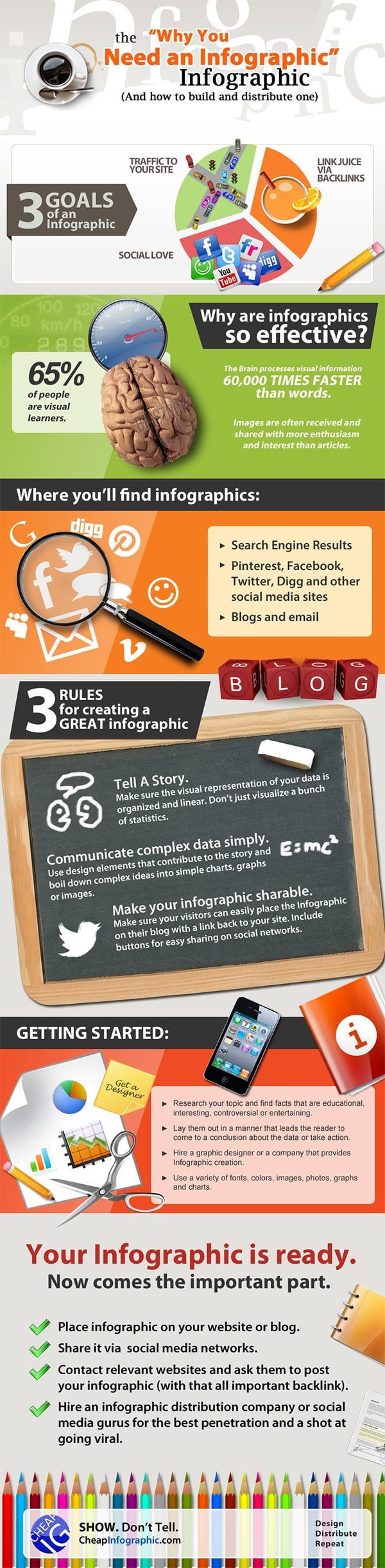
Infographic from Cheap Infographic.
Rule 1: Start with Valuable and Shareable Content
The foundation of any successful infographic is the content it conveys. Your infographic should offer valuable information, insights, or data that resonate with your target audience. The content should be relevant to your niche or industry, addressing common questions, challenges, or interests your audience may have. Here are some steps to help you create content that’s not only valuable but also shareable:
1.1. Identify Your Target Audience
Before you start creating your infographic, it’s crucial to have a clear understanding of your target audience. Who are they? What are their interests, pain points, and preferences? Knowing your audience will guide you in choosing the right topic and tone for your infographic.
1.2. Research Relevant Topics
Once you’ve defined your audience, research topics that align with their interests or address their needs. Utilize keyword research tools to discover trending and relevant keywords in your industry. These keywords can provide valuable insights into what topics are currently popular and what people are searching for.
1.3. Compile High-Quality Data and Information
To create an authoritative and informative infographic, you need reliable data and information. Cite credible sources, conduct surveys or studies if necessary, and ensure that your content is factually accurate. High-quality data will not only make your infographic more trustworthy but also boost its shareability.
1.4. Craft a Compelling Story
Infographics are more than just data visualizations; they’re stories told through visuals. Craft a narrative that flows logically from one point to the next. Use a clear and concise structure to guide your audience through the information you’re presenting. A well-structured narrative keeps readers engaged and encourages them to share your content.
1.5. Visualize Your Data
One of the primary advantages of infographics is their ability to present complex data in a visually appealing way. Choose the right types of charts, graphs, icons, and illustrations to represent your data effectively. Ensure that your visuals are not only informative but also aesthetically pleasing.
Rule 2: Design for Impact and Accessibility
The visual design of your infographic plays a significant role in its success. An eye-catching and well-designed infographic is more likely to grab the attention of your audience and encourage them to engage with and share your content. However, it’s essential to balance visual appeal with accessibility. Here’s how to design infographics for maximum impact and accessibility:
2.1. Choose an Engaging Layout
The layout of your infographic should be visually engaging and easy to follow. Use a hierarchy of information to guide readers through the content, with the most important points prominently displayed. Employ color, typography, and whitespace strategically to create a visually appealing design.
2.2. Prioritize Mobile-Friendly Design
With the increasing use of mobile devices, it’s crucial to ensure that your infographic is mobile-friendly. Test your design on various screen sizes and orientations to ensure that it remains readable and visually appealing on smartphones and tablets.
2.3. Optimize Load Times
Large image files can slow down your website’s load times, negatively affecting user experience and SEO. Compress images and optimize them for the web to reduce file sizes without compromising quality. This optimization will help your infographic load quickly, even on slower connections.
2.4. Include Alt Text
Accessibility is a vital aspect of web design. Include descriptive alt text for all images in your infographic to make it accessible to individuals with visual impairments. Alt text provides a text-based description of the image, allowing screen readers to convey the content to users who rely on them.
2.5. Use Color Wisely
While color can enhance the visual appeal of your infographic, it’s essential to use it wisely. Choose a color scheme that aligns with your brand and ensures that text remains legible against the background. Consider using color to highlight key points or create visual cues that guide the reader’s attention.
Rule 3: Promote and Distribute Strategically
Creating an outstanding infographic is only half the battle. To reap the SEO benefits, you must promote and distribute your infographic effectively. The more exposure your infographic receives, the more opportunities it has to earn backlinks and drive organic traffic. Here’s how to promote and distribute your infographic strategically:
3.1. Share on Social Media
Leverage your social media channels to share your infographic with your followers. Craft compelling captions and use relevant hashtags to increase visibility. Encourage your audience to share the infographic with their networks, amplifying its reach.
3.2. Email Outreach
Identify influencers, bloggers, and websites in your niche that might be interested in your infographic’s content. Reach out to them via email and offer to provide the infographic for their use. When they include your infographic on their websites or blogs, you gain valuable backlinks and exposure.
3.3. Submit to Infographic Directories
There are several infographic directories and submission sites where you can share your creation. Websites like Visual.ly and Infographics Archive allow you to submit your infographic for a broader audience to discover. These directories often have high domain authority, making them excellent sources for backlinks.
3.4. Guest Posts and Collaboration
Consider collaborating with other content creators in your industry. Offer to create a customized version of your infographic for their website in exchange for a mention or backlink. Additionally, guest posting on relevant blogs and including your infographic can help you reach a wider audience.
3.5. Monitor and Outreach
Track the performance of your infographic using analytics tools. Monitor the number of views, shares, and backlinks it generates. If you notice a particular website or influencer sharing your infographic, consider reaching out to express your appreciation and explore potential collaborations.
Conclusion
In the competitive world of SEO, infographics can be a game-changer for your digital marketing strategy. By following these three essential rules—starting with valuable and shareable content, designing for impact and accessibility, and promoting and distributing strategically—you can create outstanding infographics that not only engage your audience but also boost your website’s SEO performance. Remember that infographics are a dynamic medium, and staying up to date with design trends and SEO best practices will help you maintain your competitive edge in the digital landscape. With the right approach, infographics can become a powerful tool for enhancing your online presence and driving organic traffic to your website.

Author:
Mark Ford

The Complete Content Mix: What Every Business Should Be Publishing
Are you struggling to decide what types of content your business should be publishing to attract more traffic and engagement? Want to learn how to build the perfect content mix that keeps your audience interested and your brand growing? […]