
Is your product or service targeted towards under 18’s? Want to know where your business needs a presence to market to them effectively?
In today’s digital age, reaching a younger audience is crucial for many businesses and organizations. Marketing to under 18s requires a deep understanding of their online habits, preferences, and the platforms they frequent.
With the right strategies and insights, you can effectively connect with this demographic and build lasting brand relationships. In this blog post, we’ll explore where to find under 18s online and provide tips on how to engage them responsibly.
Adweek share the social network usage for Generation Z in this infographic.
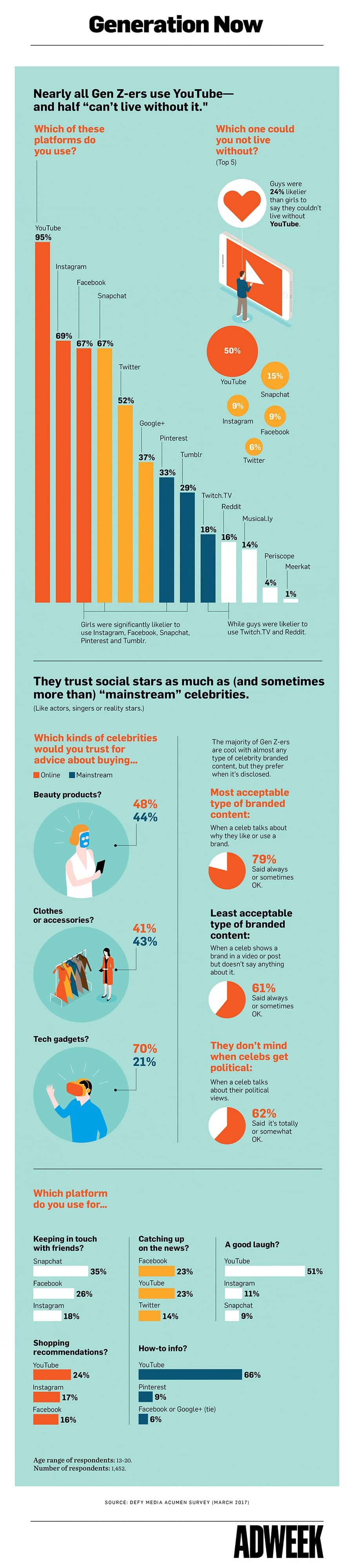
The Digital Landscape of Under 18s
Before diving into specific platforms and strategies, it’s essential to understand the digital landscape that under 18s navigate daily. Generation Z, born between the late 1990s and mid-2010s, is the first generation to grow up entirely in the digital age. As a result, their online presence is extensive and varied.
Here are some key insights into the digital habits of under 18s:
1. Mobile-First Approach
Under 18s are more likely to access the internet through mobile devices, such as smartphones and tablets. Ensuring that your online content and marketing materials are mobile-friendly is essential.
2. Social Media Dominance
Social media platforms are a primary digital hangout for young users. They use these platforms not only for communication but also for discovering new products, trends, and brands.
3. Video Content Consumption
YouTube and other video-sharing platforms are hugely popular among under 18s. They watch a wide range of content, from educational videos to entertainment and product reviews.
4. Ephemeral Content
Platforms like Snapchat and Instagram have introduced the concept of “stories,” which are short-lived posts that disappear after a set time. These are immensely popular among younger users.
5. Online Communities
Under 18s often participate in online communities and forums, discussing their interests, hobbies, and problems. These communities can be valuable for marketing if approached authentically.
Now that we have a better understanding of their digital landscape let’s explore where to find under 18s online:
1. Social Media Platforms
Social media is the go-to place for reaching under 18s. Here are some of the key platforms to consider:
Instagram is one of the most popular platforms among young users. It’s visually focused, making it ideal for showcasing products through images and short videos. Using Instagram Stories and Reels can help increase your visibility among this demographic.
Snapchat
Snapchat is known for its ephemeral content, making it a favorite among younger users. It’s an excellent platform for running creative and engaging marketing campaigns, such as augmented reality (AR) filters and sponsored lenses.
TikTok
TikTok has taken the world by storm, especially among teenagers. It’s a platform built around short, entertaining videos. Partnering with influencers or creating your own engaging content can help you tap into the vast TikTok audience.
While Facebook’s popularity among teenagers has declined somewhat, it’s still a platform with a significant user base under 18. Consider creating engaging video content and targeted ads to connect with this audience.
Twitter is another platform where you can find younger users, especially those interested in current events and trends. Participating in relevant conversations and using popular hashtags can boost your visibility.
YouTube
YouTube is a powerhouse for video content consumption. Create informative and entertaining videos related to your products or services to attract a younger audience. Collaborating with popular YouTubers can also be highly effective.
2. Video Game Platforms and Communities
The gaming industry has a massive following among teenagers. Consider the following avenues for reaching them:
Twitch
Twitch is the leading platform for live streaming video game content. Partnering with gamers or influencers who stream on Twitch can expose your brand to a dedicated and engaged audience.
Discord
Discord is a communication platform popular among gamers and various niche communities. Creating a Discord server related to your brand or product can foster a sense of community and engagement with your audience.
In-Game Advertising
Many video games offer opportunities for in-game advertising. This can be a creative way to reach a young audience, especially if your product or service aligns with the gaming experience.
3. Educational Platforms
As education increasingly moves online, there are platforms tailored to students and young learners:
Google Classroom
If your product or service is education-related, consider partnering with schools or educational organizations that use Google Classroom to reach students directly.
Khan Academy
Khan Academy provides free educational resources. If your brand aligns with educational goals, sponsoring content or running ads on platforms like Khan Academy can be a smart strategy.
4. E-commerce Platforms
If you’re selling products, these e-commerce platforms are where you can target younger consumers:
Amazon
Amazon is a popular platform for shopping, and many teenagers have accounts or access to family accounts. Consider optimizing your product listings for Amazon and running targeted ads.
Shopify
If you have your e-commerce store, consider using Shopify and optimizing it for mobile users. Creating a seamless shopping experience on mobile devices is essential.
5. Content-Sharing Platforms
These platforms are great for sharing creative content with a young audience:
Pinterest is not just for older demographics. Many young users turn to Pinterest for inspiration and creative ideas. Share visually appealing content related to your niche.
DeviantArt
If your brand is related to art or creative expression, DeviantArt is a platform where young artists and art enthusiasts gather. You can engage with this community by sponsoring art challenges or collaborating with young artists.
6. Messaging Apps
Messaging apps are a significant part of teenagers’ online lives. While these platforms are not typically used for direct marketing, they can be valuable for customer support and engagement:
WhatsApp is widely used for personal and group messaging. Setting up a business WhatsApp account can help you provide customer support and answer inquiries from younger customers.
Facebook Messenger
Similar to WhatsApp, Facebook Messenger is used for personal and business communication. You can integrate it with your Facebook Page to provide instant support and engage with young customers.
Tips for Responsible Marketing to Under 18s
Reaching under 18s online comes with a responsibility to engage with them ethically and protect their privacy. Here are some essential tips for responsible marketing:
- Data Privacy: Be transparent about the data you collect and how it will be used. Comply with data protection regulations, such as GDPR and COPPA (Children’s Online Privacy Protection Act).
- Age Verification: Implement age verification mechanisms to ensure that you are not marketing age-restricted products or content to minors.
- Educational Content: If applicable, create educational content that aligns with their interests and needs. This can position your brand as a valuable resource.
- Authenticity: Be genuine and authentic in your interactions. Young consumers can quickly spot inauthenticity and are more likely to engage with brands that share their values.
- Online Safety: Promote online safety by providing guidance on safe internet use and cybersecurity.
- Parental Consent: If your platform or services require user registration, ensure that you have mechanisms in place to obtain parental consent for users under 13, as required by COPPA.
- Ethical Influencer Collaborations: When partnering with influencers, ensure they are appropriate role models for young audiences and share your brand’s values.
- Feedback and Listening: Listen to feedback from young consumers and adapt your strategies accordingly. They can provide valuable insights into their preferences and needs.
- Content Moderation: If you allow user-generated content on your platforms, implement content moderation to prevent inappropriate or harmful content.
- Safety Measures: Consider implementing safety measures, such as content warnings or reporting systems, to protect young users from harmful content or interactions.
Conclusion
Reaching under 18s online is both an opportunity and a responsibility. By understanding their digital landscape and choosing the right platforms, you can connect with this demographic effectively. However, it’s crucial to approach marketing to under 18s responsibly, respecting their privacy, safety, and unique needs. When done right, marketing to this audience can lead to long-term brand loyalty and advocacy.

Author:
Mark Ford