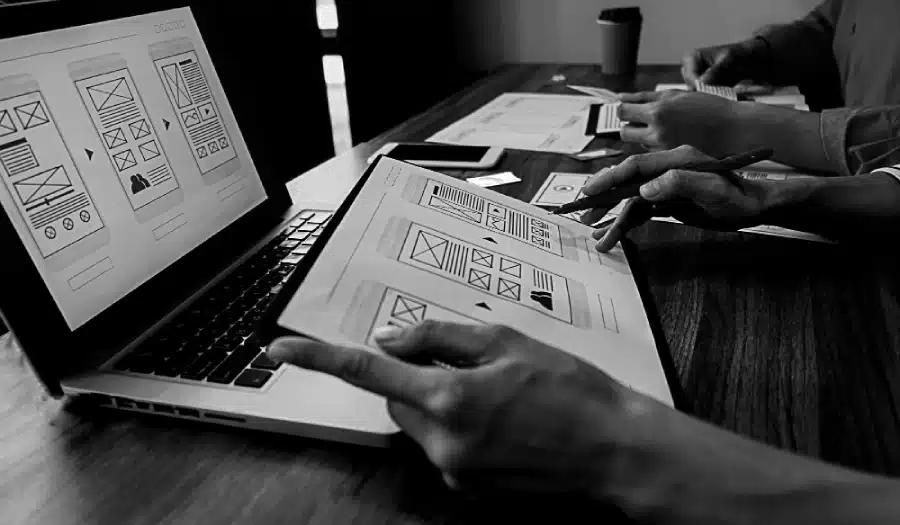
Are you about to embark on a new web design project for your business? Want to ensure you have everything you need before getting started with a new website?
We share 8 things to do before creating a website in this infographic.
Here’s a quick summary:
- Establish the aim of your website
- Research, research, and research some more
- Know your target market
- Choose your domain name wisely
- Decide on design and layout
- Plan and create your pages and content
- Get your images ready
- Get SEO savvy
Check out the infographic for more detail.
![Web Design Planning: 8 Things to Do Before Creating a New Website [Infographic]](https://red-website-design.co.uk/wp-content/uploads/2021/05/Pre-Design-Checklist-8-Things-to-Do-Before-Creating-a-New-Website.jpg)
Creating a new website isn’t just about choosing pretty colours or writing clever copy—it’s about strategic planning. Before you dive into design and development, there are several essential steps that can help set your site up for long-term success.
From defining your goals to understanding your audience, every decision you make early on will shape your final product. Let’s walk through the eight key things to do before creating your new website.
Establish the Aim of Your Website
Before you even begin to sketch out a layout or think about a domain name, get crystal clear on your website’s purpose. What do you want it to achieve? Whether it’s selling products, generating leads, or showcasing work, everything else depends on this first step. A well-defined aim ensures your design, content, and functionality work in harmony.
- Decide if your site is for sales, leads, information, or branding purposes.
- Identify your primary call-to-action: Buy, contact, sign up, etc.
- Make your aim measurable—e.g., increase enquiries by 30% in six months.
- Align your website’s goal with your wider business objectives.
Research, Research, and Research Some More
You don’t need to reinvent the wheel. Spend time looking at other websites in your industry or niche to understand what works. This research phase can offer inspiration, highlight common pitfalls, and help you build a site that meets user expectations. It’s a crucial part of refining your own vision and direction.
- Analyse your competitors’ websites for structure, tone, and functionality.
- Make note of user-friendly features and smart design choices you like.
- Check what types of content get the most engagement in your niche.
- Research what frustrates users—avoid common design and UX mistakes.
Know Your Target Market
Knowing your audience is non-negotiable. Every decision—from layout to content and call-to-action—should be based on what your target users need and expect. A website built with your ideal customer in mind will convert better and create more meaningful engagement. If you try to appeal to everyone, you risk appealing to no one.
- Define your audience by age, gender, interests, job role, or location.
- Create customer personas to guide your tone, layout, and imagery.
- Understand what problems your users are trying to solve.
- Tailor the user journey to align with their goals and preferences.
Choose Your Domain Name Wisely
Your domain name is more than a web address—it’s your brand’s digital identity. Choose something that’s memorable, relevant, and easy to spell. The right domain helps establish trust and credibility, while a bad one can damage your brand or confuse your visitors. It’s worth spending time to get this right from the start.
- Keep your domain short, simple, and easy to remember.
- Avoid numbers, hyphens, or tricky spellings that might confuse users.
- Make it keyword-relevant if it helps with SEO or recognisability.
- If your business name is unique, register the domain before someone else does.
Decide on Design and Layout
Design isn’t just about looks—it’s about usability. How your content is structured and presented affects how easily users can find what they need. Planning your layout in advance helps keep things cohesive and prevents overwhelm later. A strong visual direction also gives developers and designers a clearer brief to work from.
- Sketch out a basic layout for your homepage and key pages.
- Create a mood board with design elements you want to incorporate.
- Choose a colour scheme, typography, and general style that fits your brand.
- Research design inspiration and save examples of sites you admire.
Plan and Create Your Pages and Content
Content is the engine of your website. Think carefully about what pages you need and the purpose of each. Avoid writing content as an afterthought—it should be developed alongside the layout and user journey. A strong content plan improves navigation, boosts SEO, and ensures visitors get the information they need.
- List all the core pages your website will include (e.g., Home, About, Services, Contact).
- Define the purpose of each page and what action you want users to take.
- Write draft content or outlines so designers know how much space to allocate.
- Prioritise clarity, consistency, and customer-focused messaging.
Get Your Images Ready
Images can make or break a website. Quality visuals enhance user engagement and reflect your brand’s professionalism. Sourcing and preparing images early in the process ensures your site comes together more smoothly. Whether you’re using custom photography or stock images, planning ahead is key.
- Collect high-resolution versions of all images you plan to use.
- Optimise images for web to keep page load times fast.
- Use consistent styles (e.g., colour filters, backgrounds) to maintain cohesion.
- Don’t forget brand assets—like logos, icons, and banners.
Get SEO Savvy
Even the most beautifully designed site won’t help your business if no one can find it. Basic search engine optimisation (SEO) should be factored in from the start. From keyword research to meta descriptions, laying a solid SEO foundation ensures your website works for you behind the scenes. Think of it as long-term visibility planning.
- Identify target keywords for each page based on user intent.
- Use headings, meta tags, and alt text to support SEO structure.
- Write descriptive, keyword-rich page titles and URLs.
- Make your content helpful, original, and focused on user needs.
Conclusion
Planning your website in advance isn’t a luxury—it’s a necessity. Each of the eight steps outlined here will help you create a website that’s not only attractive but also purposeful, functional, and primed for success.
Skipping the groundwork might save time initially, but it often leads to confusion, delays, and costly fixes later. So take the time now to define your goals, understand your audience, and map out your vision. With a solid plan in place, your website won’t just go live—it will thrive.

Author:
Mark Ford